
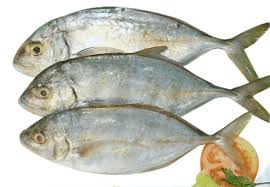
Jesh fish is a popular seafood choice in many coastal regions due to its firm texture and rich flavor. It is commonly used in traditional dishes and everyday meals. Many people prefer this fish because it cooks well in different styles. Its availability and affordability also make it widely consumed. Over time, jesh fish has gained attention for its nutritional value.
This fish is often chosen for hearty meals that require a strong texture. It absorbs spices well and holds its shape during cooking. Home cooks and chefs both rely on it for reliable results. It is suitable for frying, curries, and grilling. Understanding this fish helps people make better dietary choices.
Jesh Fish: What Makes it Popular
Jesh fish is known for its firm flesh and slightly strong taste. It belongs to a group of marine fish commonly found in warm waters. The fish is usually medium to large in size, making it suitable for family meals. Its flesh does not break easily during cooking. This quality makes it ideal for curries and gravies.
Another reason for its popularity is versatility. It can be cooked with simple spices or rich masalas. The fish pairs well with bold flavors and oils. Many regional cuisines rely on it for traditional recipes. Its consistency adds to its demand in local markets.
Natural Habitat and Availability
Jesh fish is commonly found in coastal and deep-sea waters. It thrives in warm marine environments with steady food sources. Fishing seasons affect its availability and price. During peak seasons, the fish is fresher and more affordable. Coastal regions have easier access to this fish.
Environmental conditions influence its size and quality. Responsible fishing practices help maintain population balance. Many markets receive it through daily catches. Freshness depends on handling and storage methods. Knowing its source helps buyers choose better quality fish.
Nutritional Value and Health Benefits
Jesh fish is a good source of high-quality protein. Protein helps support muscle growth and repair. The fish also contains healthy fats that support heart health. It provides essential nutrients needed for daily energy. This makes it suitable for balanced diets.
It also includes vitamins such as B-complex and minerals like phosphorus. These nutrients support metabolism and bone strength. Regular consumption may help maintain overall wellness. The fish is filling and satisfying when included in meals. Proper cooking helps retain its nutritional value.
Taste and Texture Profile
The taste of jesh fish is rich and slightly strong compared to mild fish. This makes it appealing to people who enjoy bold flavors. Its texture is firm and dense when cooked properly. It does not become mushy easily. This texture works well in spicy dishes.
The fish holds seasoning well during marination. Longer cooking enhances its flavor without breaking the flesh. Many people enjoy it in slow-cooked recipes. It pairs well with traditional spices and herbs. This balance makes it a favorite in regional cooking.
Common Cooking Methods
Frying is a popular way to prepare this fish. The firm flesh creates a crispy outside and soft inside. Curries are another common preparation method. The fish absorbs spices while keeping its shape. This makes it ideal for gravy-based dishes.
Grilling is suitable for healthier meals. Pan-frying requires minimal oil and quick cooking. Steaming is less common but preserves nutrients. Each method brings out different flavors. Cooking style depends on preference and tradition.
How to Choose Fresh Jesh Fish
Fresh jesh fish has clear eyes and firm flesh. The skin should appear shiny and moist. A mild sea smell indicates freshness. Avoid fish with dull skin or strong odor. These signs suggest poor quality.
When buying cut pieces, look for even color. Fresh flesh should not feel sticky. Buying from trusted sellers ensures better quality. Ask about catch timing when possible. Fresh fish always improves taste and safety.
Storage and Handling Tips
Proper storage helps maintain freshness. Jesh fish should be refrigerated if not cooked immediately. Wrapping it tightly prevents moisture loss. Freezing is suitable for longer storage. However, fresh consumption is preferred.
Clean handling is essential for food safety. Wash your hands and utensils after preparation. Avoid leaving fish at room temperature. Cook thoroughly before eating. These steps reduce contamination risks.
Cultural And Regional Importance
Jesh fish is widely used in coastal cuisines. Many traditional dishes rely on its firm texture. It is often served at family gatherings and special meals. The fish holds cultural value in local food traditions. Recipes are passed down through generations.
Its availability supports local fishing communities. Markets depend on regular supply and demand. Regional cooking styles highlight their strengths. This cultural connection keeps it popular. Food heritage plays a key role in its consumption.
Conclusion
Jesh fish offers strong flavor, firm texture, and good nutrition. It works well in many traditional and modern recipes. Proper selection and cooking enhance its benefits. It supports balanced meals and cultural food practices. Adding jesh fish to your diet provides variety, taste, and nourishment.